
Auto-Brewery Syndrome Explained
Why Some People Feel Drunk Without Drinking — And What Candida Overgrowth May Be Trying to Tell You
A recent New York Times article brought overdue attention to a condition that sounds almost too bizarre to be real: auto-brewery syndrome, also called gut fermentation syndrome. Mainstream awareness matters here because many people who struggle with this condition spend months, or even years, being misunderstood before anyone looks at the gut. Dr. Dean Mitchell has been discussing this phenomenon for years, and his media features highlight that this is not just a medical curiosity. It is a real, life-disrupting condition tied to excess yeast, especially Candida albicans, fermenting carbohydrates into alcohol inside the body.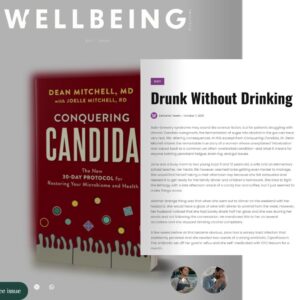
If that sounds unbelievable, you are not alone.
During a recent episode of The Smartest Doctor in the Room, Dr. Dean Mitchell interviewed leading auto-brewery syndrome researcher Dr. Barbara Cordell, author of My Gut Makes Alcohol. Together, they discussed how this rare but very real condition can leave patients appearing intoxicated without consuming alcohol — and why Candida overgrowth, antibiotics, gut imbalance, and modern dietary habits may all play a role.
Most people hear “auto-brewery syndrome” and assume it must be vanishingly rare, almost impossible, or somehow exaggerated. Yet the underlying biology is well established: auto-brewery syndrome involves endogenous ethanol production caused by fungi or bacteria fermenting carbohydrates in the gastrointestinal tract, and patients can show signs of intoxication while denying alcohol intake. Medical references also note that although diagnosed cases are limited, the condition is likely underdiagnosed.
That underdiagnosis is one reason this topic matters so much.
Because for many women between 30 and 55 — especially mothers juggling careers, caregiving, stress, hormonal shifts, and the fallout of repeated antibiotic use — the story often starts long before the phrase “auto-brewery syndrome” ever enters the room. It may begin with bloating. Or brain fog. Or needing a nap every afternoon. Or feeling strange, heavy, cloudy, anxious, inflamed, or off after sugar and high-carb meals. It may even begin with being told everything is normal when it clearly is not.
That is where Dr. Mitchell’s work is so valuable. 
In his book Conquering Candida, he makes the bigger point that auto-brewery syndrome is not the whole story. It is often the extreme end of a broader Candida and microbiome imbalance spectrum.
What is Auto-Brewery Syndrome?
As Dr. Barbara Cordell explained on the podcast:
“Auto-brewery syndrome is when the little microbes in our guts, which mostly do wonderful things for us, but if they get out of order and overgrow some of the fermenting organisms that we all have, they can create enough alcohol in the system to become intoxicated.”
This is one reason the condition is now often referred to as “gut fermentation syndrome.” The body is literally fermenting carbohydrates internally in a way that resembles the brewing process used to create alcohol.
In plain English, your digestive tract starts acting like a brewery. Cleveland Clinic explains it simply: the sugars you eat are fermented by microbes in the intestines, producing alcohol that enters the bloodstream and can create intoxication symptoms. StatPearls describes the same phenomenon and notes that yeasts such as Candida albicans and Saccharomyces cerevisiae, along with some rare bacteria, may be involved.
That means a person may experience:
- dizziness
- brain fog
- poor concentration
- slurred speech
- fatigue
- disorientation
- mood changes
- symptoms that resemble drunkenness
All without drinking any alcohol.
This is the part that catches headlines. Yet in practice, the hidden issue is often the gut environment that made such fermentation possible in the first place.
Why Auto-Brewery Syndrome May Be Becoming More Common
For years, auto-brewery syndrome was treated like an odd medical rarity — something so unusual that most doctors would never expect to encounter it in practice.
That perception is starting to change.
Researchers and clinicians are beginning to recognize that while severe auto-brewery syndrome may still be uncommon, many of the underlying conditions that contribute to it are becoming dramatically more widespread. Modern life has created the perfect environment for microbiome disruption, excessive fermentation in the gut, and Candida overgrowth.
During his podcast conversation with Dr. Barbara Cordell, Dr. Dean Mitchell emphasized that today’s lifestyle factors are placing enormous stress on the gut microbiome in ways we are only beginning to fully understand.
There are a few reasons auto-brewery syndrome is becoming more common:
- processed Western diet
- sugar overload
- antibiotics
- obesity
- diabetes
- microbiome disruption
One of the biggest contributors is the modern Western diet.
Ultra-processed foods, excessive sugar consumption, refined carbohydrates, sweetened drinks, fast food, and highly packaged convenience meals have become staples for many families. Those foods do not simply affect weight or blood sugar. They also change the microbial environment inside the digestive tract.
Dr. Cordell explained on the podcast: “We are seeing a lot of predisposing conditions… diabetes, obesity, high carbohydrate diet… processed foods and a lot of sugar in our foods.”
Candida and other fermenting organisms thrive in that environment.
The more sugar and rapidly absorbed carbohydrates someone consumes, the more fuel those organisms receive. Over time, certain microbes can begin to dominate the microbiome instead of existing in a healthy balance. That imbalance creates the kind of “fermenting gut” environment increasingly associated with auto-brewery syndrome, bloating, brain fog, fatigue, and other inflammatory symptoms.
Antibiotic exposure is another major factor.
While antibiotics can absolutely be lifesaving medications, repeated or prolonged use may unintentionally disrupt the protective bacteria that normally help keep yeast and fermenting organisms under control. Dr. Mitchell frequently sees this pattern in patients who were prescribed multiple antibiotic courses for sinus infections, urinary tract infections, acne, Lyme disease, or chronic respiratory issues.
In the podcast, Dr. Cordell also noted that people with greater antibiotic exposure appear to have a higher risk of developing Candida overgrowth and auto-brewery syndrome.
Then another layer often gets added.
Many patients who take antibiotics begin developing reflux, stomach irritation, or digestive discomfort afterward. That frequently leads to long-term use of acid-blocking medications like proton pump inhibitors (PPIs). Dr. Mitchell has repeatedly warned that these medications can significantly alter the gut environment because stomach acid serves as one of the body’s natural defenses against microbial overgrowth.
When acid levels are chronically suppressed, organisms that normally would have remained controlled may begin multiplying more aggressively.
Stress also appears to play a larger role than most people realize.
Modern stress is constant: poor sleep, work pressure, financial strain, caregiving demands, chronic inflammation, overstimulation, and elevated cortisol levels all influence blood sugar regulation and immune function. Dr. Mitchell often tells patients: “Chronic stress is like eating ten cookies.”
That analogy matters because elevated stress hormones can raise glucose levels and contribute to the same internal environment that fuels fermentation and microbial imbalance.
At the same time, growing rates of obesity, insulin resistance, metabolic syndrome, and type 2 diabetes may further contribute to this problem. Higher blood sugar levels create additional fuel for fermenting organisms inside the gut.
Even certain wellness trends may unintentionally worsen symptoms in susceptible people.
Fermented foods like kombucha, kimchi, and certain probiotic drinks are often promoted as universally healthy. Yet for someone who already has a highly fermentative gut environment, adding more fermentation may aggravate symptoms instead of helping them. During the podcast, Dr. Mitchell explained that these foods can sometimes worsen symptoms in people dealing with Candida overgrowth or auto-brewery syndrome because “it’s not good for somebody with a fermenting gut.”
All of these factors together help explain why doctors and researchers are paying much closer attention to microbiome-related illnesses today.
Auto-brewery syndrome itself may remain relatively uncommon in its most extreme form. However, the underlying patterns associated with it — gut dysbiosis, Candida overgrowth, chronic fermentation, bloating, fatigue, brain fog, and carbohydrate-triggered symptoms — appear to be becoming far more prevalent.
Dr. Mitchell’s Bigger Message: Auto-Brewery Syndrome Is Often a Candida Story
One of the most important takeaways from Conquering Candida is that Dr. Mitchell does not treat Candida as a trendy buzzword or a simplistic catch-all diagnosis. He frames it as a microbiome illness that can affect multiple organs and mimic many other conditions. As he explains in the book, “Candida overgrowth is a real medical condition resulting from an imbalance in the gut microbiome.” He also emphasizes that this condition can be difficult to confirm with a single perfect lab test, which is one reason patients get dismissed so often.
That matters from both a medical and search standpoint.
A lot of people are not typing “auto-brewery syndrome” into Google the first time they look for answers. They are typing things like:
- why do I feel drunk after eating carbs
- tired after sugar
- brain fog and bloating after meals
- chronic yeast problems and fatigue
- can Candida cause dizziness
- unexplained intoxication symptoms
- do antibiotics cause gut yeast
Those are the real-world search paths. Dr. Mitchell’s book speaks directly to them because he keeps coming back to the same root idea: when the microbiome loses balance, Candida can move from quiet passenger to inflammatory troublemaker.
During the podcast, Dr. Mitchell described another patient in her 50s who developed auto-brewery syndrome after multiple rounds of antibiotics followed by months of acid-blocking medication. After eating cake and carbohydrates at a holiday party, she became impaired enough to fail a breathalyzer test despite not consuming alcohol.
How the Gut Becomes a Brewery
Dr. Mitchell explains this in a way that patients can understand without dumbing it down. Candida is a yeast. Its preferred fuel is glucose. When someone with significant overgrowth eats high-sugar or high-carbohydrate foods, that fuel can be fermented in the gut.
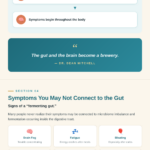
In the book, he describes how Candida processing glucose can lead to the formation of carbon dioxide, acetaldehyde, and even ethyl alcohol. Carbon dioxide contributes to gas and bloating. Acetaldehyde can cross the blood-brain barrier and contribute to mental cloudiness. Ethyl alcohol is exactly why some patients can feel as if they have had a few drinks when they have not touched any alcohol at all. His phrase is memorable for a reason: “the gut and the brain become a brewery.”
That one line explains why auto-brewery syndrome is not just a digestive story. It is neurological, metabolic, immunological, and deeply disruptive.
The “Jane” Story: Why This Condition Is So Easy to Miss
One of the strongest sections in Conquering Candida is the story of Jane, a busy mother and teacher whose life started unraveling in ways that did not make sense on the surface. She was exhausted. She needed naps. She noticed that sweets and coffee seemed to make her feel worse, not better. Her husband noticed that a small amount of wine affected her far more than expected. Then came the turning point: after eating cupcakes, she became bloated and cloudy, failed a breath alcohol test, and found herself facing a humiliating, high-stakes situation despite not drinking. A formal carbohydrate challenge later showed that her breath alcohol levels rose dramatically. The explanation was auto-brewery syndrome.
That story resonates because it sounds dramatic, but the build-up is familiar. Before the crisis, Jane had already gone through common triggers Dr. Mitchell sees constantly:
- a stubborn urinary infection
- two rounds of strong antibiotics
- reflux afterward
- self-treatment with a proton pump inhibitor
Those details are not side notes. They are core clues. Dr. Mitchell points out that antibiotics alter the microbiome and PPIs further change the gut environment, allowing Candida to flourish. In Jane’s case, he describes the PPI as “the icing on the cupcake.”
That sequence also matches what larger clinical references say. Cleveland Clinic lists medications and gut dysbiosis among the biggest contributing factors, and StatPearls notes that patients often report high-sugar, high-carbohydrate diets along with coexisting metabolic or gastrointestinal issues.
During the podcast, Dr. Mitchell described another patient in her 50s who developed auto-brewery syndrome after multiple rounds of antibiotics followed by months of acid-blocking medication. After eating cake and carbohydrates at a holiday party, she became impaired enough to fail a breathalyzer test despite not consuming alcohol.
This pattern — antibiotics followed by digestive changes and then carbohydrate-triggered intoxication symptoms — is something increasingly recognized in the medical literature surrounding microbiome dysfunction.
Why Many Doctors Miss This Condition
One of the most frustrating parts of auto-brewery syndrome and Candida-related gut fermentation is that many patients look completely “normal” on routine testing — especially in the early stages.
Standard bloodwork may not immediately reveal a clear explanation. Symptoms also tend to fluctuate, which makes the condition even more confusing for both patients and physicians. Someone may feel relatively normal one day and completely foggy, bloated, exhausted, or cognitively impaired the next.
Adding to the complexity, the symptoms often overlap with far more common diagnoses, including:
- anxiety
- IBS
- chronic fatigue
- reflux
- stress-related disorders
- hormone imbalance
- depression
- fibromyalgia
Because of that overlap, many patients end up seeing multiple specialists without anyone connecting the dots back to the microbiome.
During his podcast conversation with Dr. Barbara Cordell, Dr. Dean Mitchell discussed how unusual this condition can appear to physicians unfamiliar with it. Even emergency room doctors may initially dismiss the idea that someone could have elevated alcohol levels without drinking.
That skepticism creates a major problem: many patients stop trusting their own symptoms.
Others become embarrassed to talk about what they are experiencing because the symptoms sound unbelievable — even to them.
Dr. Mitchell has long emphasized that microbiome-related illnesses can affect multiple systems throughout the body. In Conquering Candida, he explains that Candida overgrowth may contribute to gastrointestinal symptoms, brain fog, fatigue, chronic sinus issues, recurrent yeast infections, skin problems, mood changes, and inflammatory symptoms that seem unrelated on the surface.
That wide range of symptoms is exactly why the condition can be overlooked.
Many doctors are trained to look at symptoms individually rather than recognizing the broader microbiome pattern connecting them.
Why Patients Are Frequently Misdiagnosed
For many people, the road to diagnosis is long, emotionally exhausting, and incredibly isolating.
Patients with auto-brewery syndrome are often misdiagnosed because the symptoms can mimic intoxication, neurological disease, psychiatric conditions, blood sugar problems, or even substance abuse.
Dr. Barbara Cordell shared how her husband went through years of unexplained episodes before finally receiving answers. At one point, his symptoms became so severe that she feared he was having a stroke. He struggled to speak, had trouble walking, and appeared profoundly impaired. When he arrived at the hospital, his blood alcohol level was dangerously elevated despite not intentionally drinking alcohol.
The assumption from medical staff was immediate: alcohol use.
Dr. Cordell recalled one physician responding: “That’s impossible.”
Unfortunately, stories like this are not uncommon.
Some patients are:
- accused of secretly drinking
- referred for addiction counseling
- treated as psychiatric cases
- told their symptoms are stress-related
- dismissed because testing appears “normal”
- labeled as anxious or exaggerating
Others face serious personal and legal consequences before getting diagnosed.
In some documented cases, patients have:
- failed breathalyzer tests
- been charged with DUIs
- lost jobs
- damaged relationships
- experienced significant emotional distress
That is part of what makes this condition so devastating.
People are not only struggling physically — they are often trying to defend their credibility at the same time.
Dr. Mitchell frequently sees a similar pattern in patients with significant Candida overgrowth. Many have already seen multiple doctors before anyone seriously considers the possibility that gut dysbiosis, fungal overgrowth, and chronic fermentation may be contributing to their symptoms.
As he often explains, these patients become “the tenth patient” — after seeing nine other specialists without answers.
How Auto-Brewery Syndrome and Candida Overgrowth Are Diagnosed
Diagnosing auto-brewery syndrome requires more than a quick office visit.
A detailed medical history is one of the most important parts of the evaluation because symptom patterns matter tremendously. Doctors experienced in microbiome disorders often look for clues such as:
- repeated antibiotic use
- worsening symptoms after carbohydrates or sugar
- chronic bloating
- unexplained fatigue
- brain fog
- recurrent yeast infections
- long-term acid reflux medication use
- symptoms that fluctuate after eating
One of the primary diagnostic tools for confirmed auto-brewery syndrome is a monitored carbohydrate challenge test.
During the podcast, Dr. Barbara Cordell explained that patients are given glucose or specific carbohydrates known to trigger symptoms while doctors carefully monitor alcohol levels over time.
Blood alcohol levels are measured at intervals such as:
- baseline
- one hour
- two hours
- four hours
- eight hours
Breathalyzer testing may also be used between blood draws to monitor changes more closely. The goal is to determine whether the body is producing alcohol internally after carbohydrate exposure.
In some cases, doctors may also recommend:
- endoscopy
- specialized microbial cultures
- microbiome evaluation
- testing for small intestinal fungal overgrowth (SIFO)
Dr. Mitchell discussed how researchers like Dr. Satish Rao helped advance understanding of fungal overgrowth in the small intestine by using specialized sterile cultures during endoscopy procedures.
That research helped validate what many functional and integrative practitioners had been observing clinically for years:
certain patients with chronic bloating, IBS-like symptoms, fatigue, and brain fog may actually be dealing with excessive fungal overgrowth rather than bacteria alone.
Importantly, diagnosis should never rely on internet trends or self-diagnosis alone.
Because symptoms overlap with many other conditions, proper medical evaluation is essential to rule out:
- neurological disorders
- liver disease
- uncontrolled diabetes
- alcohol misuse
- metabolic conditions
- gastrointestinal disorders
For patients who truly are dealing with excessive fermentation or Candida-related microbiome imbalance, getting an accurate diagnosis can be life-changing. It allows treatment to finally focus on the root problem instead of endlessly chasing symptoms.
Why Women May Be Especially Vulnerable
This topic tends to land hard with women for good reason.
Dr. Mitchell’s book makes clear that hormones matter. Estrogen influences glycogen and glucose availability, which can create a more favorable environment for yeast. He also notes that exposure to exogenous estrogen, including hormonal birth control and some forms of hormone therapy, can increase susceptibility to Candida overgrowth. Chronic vaginitis, recurrent yeast infections, fatigue, sugar cravings, and brain fog are not separate random dots in his model. They can be part of one larger physiologic pattern.
For women in their 30s, 40s and early 50s, that is especially relevant because life in those years is often a perfect storm of:
- hormonal fluctuation
- recurrent antibiotic exposure
- mounting stress
- erratic sleep
- convenience-based eating
- blood sugar swings
- long-term reflux medication use
That does not mean every woman with fatigue has Candida. It does mean the question deserves serious consideration when the pattern fits.
The Symptom Pattern That Should Not Be Ignored
Symptom clustering matters. People rarely show up saying, “I have a fungal overgrowth in my small intestine.” They say things like:
“I am bloated after carbs.”
“I get brain fog after lunch.”
“I crave sugar all day.”
“I keep getting yeast infections.”
“I feel wiped out, and no one can explain it.”
“I feel weirdly buzzed after sweets.”
Dr. Mitchell’s framework helps organize those complaints into a progression. In the book, he breaks Candida symptoms into stages that move from gastrointestinal symptoms to vaginitis, sinus and skin issues, then brain fog and anxiety, and finally chronic fatigue and body pain. He also emphasizes that these symptoms can mimic IBS, chronic urticaria, chronic sinusitis, and even mood-related issues, which is exactly why patients get sent from specialist to specialist without a unifying explanation.
That part is especially powerful. He refers to himself as “the tenth doctor” because so many Candida patients have already seen nine others without getting answers.
Can Candida Make You Feel Drunk?
Surprisingly, yes — in certain cases, Candida overgrowth and other fermenting organisms in the gut may contribute to symptoms that feel remarkably similar to intoxication.
That does not mean every person with Candida is walking around “drunk.” However, it does help explain why many patients describe feeling:
- foggy
- disconnected
- dizzy
- exhausted
- strangely “buzzed” after eating sugar or carbohydrates
During his podcast conversation with Dr. Barbara Cordell, Dr. Dean Mitchell explained:
“I consider Candida and auto-brewery syndrome the classic microbiome disease.”
The reason comes down to fermentation.
Candida is a yeast. When yeast becomes excessive in the digestive tract, especially after microbiome disruption from antibiotics, acid-blocking medications, chronic stress, or a high-sugar diet, it can begin fermenting carbohydrates inside the gut.
That fermentation process produces more than just gas and bloating.
It can also create compounds like:
- acetaldehyde
- ethanol (alcohol)
- inflammatory byproducts
Acetaldehyde is particularly important because it can cross the blood-brain barrier and affect cognitive function. Many experts believe it contributes to symptoms such as:
- brain fog
- poor concentration
- fatigue
- headaches
- dizziness
- memory problems
- the sensation of feeling mentally “off”
In Conquering Candida, Dr. Mitchell describes it this way:
“The gut and the brain become a brewery.”
That line resonates with so many patients because it captures what they often struggle to explain. They may not appear severely intoxicated, but they do not feel normal either. Some describe feeling sedated after meals. Others experience overwhelming fatigue, difficulty focusing, or a strange cloudy sensation after eating bread, sweets, pasta, or processed carbohydrates.
For certain individuals, especially those with significant microbiome imbalance, Candida overgrowth, or excessive fermentation in the gut, these symptoms can become severe enough to mimic alcohol intoxication itself.
That is one reason auto-brewery syndrome is now drawing so much medical attention. It shines a spotlight on something much bigger: the powerful connection between the microbiome, metabolism, inflammation, and the brain.
The Gut-Brain Connection Is Not Just a Trendy Phrase
When patients say they feel mentally foggy, scattered, anxious, or unlike themselves, those symptoms deserve real attention. Johns Hopkins Medicine describes the gut as a kind of “second brain” and explains that digestion, mood, health, and thought patterns are more connected than most people realize.
Dr. Mitchell’s book puts more clinical flesh on those bones. He ties gut imbalance to vagus nerve signaling, serotonin effects, acetaldehyde exposure, and inflammatory spillover from the gut into the rest of the body. His point is not that every cognitive complaint starts in the intestines. His point is that the gut should no longer be ignored when the brain feels off.
That is why symptom-first searches matter so much in this topic. Someone searching “brain fog after eating sugar” may not know they are one layer away from learning about Candida or auto-brewery syndrome.
The Triggers Dr. Mitchell Wants Patients to Notice
One of the most useful parts of Conquering Candida is the practical history-taking approach. Dr. Mitchell puts huge weight on the story the body tells over time. He asks whether patients have had prolonged antibiotic use, long-term acid-blocker use, hormone exposure, steroid use, chronic bloating after high-carb meals, sugar cravings, recurrent yeast infections, fungal skin issues, chronic hives, severe fatigue, poor concentration or regular need for naps.
That history often gives more useful direction than internet myths or one-off “Candida tests.”
He is also refreshingly direct about what not to overvalue. In the book, he says stool and saliva testing are generally not very helpful in diagnosing Candida overgrowth, and he places more emphasis on medical history, symptom pattern and supportive nutrient testing. He notes that he frequently sees deficiencies involving B12, iron, magnesium and vitamin D in patients with moderate to severe overgrowth.
That is an important nuance. The better question is not “Can I buy one trendy test online?” The better question is “Does my full history suggest a real microbiome problem that needs a serious medical workup?”
Why Diet Alone Is Sometimes Not Enough
This is where a lot of online content gets overly simplistic.
Dr. Mitchell does believe nutrition is central. In fact, his dietary strategy is one of the pillars of treatment. He recommends avoiding added sugars, wheat, alcohol, and in the intensive phase certain other foods that tend to worsen fermentation and inflammation. He is blunt about sugar being the primary fuel that feeds this yeast problem. He also points out that fermented foods, while popular in wellness spaces, may not be well tolerated by patients whose guts are already in an overly fermented state.
Still, he does not present diet as a magic wand. He quotes the idea that you cannot control yeast infections by diet alone, and he argues that antifungal treatment is often necessary when true overgrowth is present. He also stresses that the goal is not to eradicate Candida completely, since some Candida belongs in a normal microbiome. The goal is to bring it back into balance.
That distinction is sophisticated, practical, and more trustworthy than fear-based content that promises total elimination.
What Real Treatment Usually Involves
Mainstream references and Dr. Mitchell’s approach overlap in an important way: successful care typically focuses on restoring balance, not just masking symptoms. Cleveland Clinic describes first-line treatment as addressing the overgrowth with antifungals or antibiotics as appropriate, while also reducing carbohydrates and supporting the microbiome.
Dr. Mitchell goes further and describes a four-pillar strategy built from years of treating patients:
- diet
- antifungals
- vitamin support
- immunotherapy in selected cases
He discusses antifungals without the fearmongering that often surrounds them online. He notes that doctors often under-prescribe these medications because of unfamiliarity, and he argues that short, inadequate treatment courses can lead to relapse rather than resolution, especially in women with chronic vaginitis. He also emphasizes nutrient support because a high Candida burden can deplete key vitamins and make “die-off” symptoms more difficult.
That is a much more comprehensive approach than “just stop eating sugar.”
The Bottom Line
Auto-brewery syndrome is real. Major medical references recognize it. Clinical experts acknowledge that it can be difficult to diagnose and likely goes unrecognized more often than people think.
But the biggest takeaway from Dr. Dean Mitchell’s work is not just that the body can make alcohol without drinking.
It is that Candida overgrowth can be far more systemic than most people realize.
A woman dealing with bloating, sugar cravings, recurrent yeast issues, fatigue, anxiety, brain fog, and strange reactions to carbohydrate-heavy meals may not need another reminder that her labs look “fine.” She may need a physician who understands how the microbiome, hormones, diet, medications, and immune function intersect.
That is the real opportunity here. Not merely naming a rare syndrome, but finally seeing the pattern underneath it.
What Should You Do Next?
If you see yourself in these symptoms, do not ignore them.
Feeling bloated after meals, struggling with brain fog, crashing in the afternoon, craving sugar, dealing with recurrent yeast infections or feeling strangely “buzzed” after carbs is not something you should simply push through.
Your body may be telling you that your microbiome is out of balance.
The first step is to start paying attention to patterns:
- Do symptoms get worse after sugar or high-carb meals?
- Have you taken antibiotics repeatedly over the years?
- Are you using acid reflux medications long-term?
- Do you deal with chronic fatigue, brain fog, sinus issues or yeast infections?
- Have you been told your tests are normal even though you know something is not right?
Those clues matter.
A proper evaluation should look beyond just one symptom and consider the bigger picture: your gut, your hormone balance, your medication history, your diet, your immune system and the way all of those pieces interact.
At Mitchell Medical Group, Dr. Dean Mitchell takes that whole-body approach. Instead of masking symptoms, the goal is to identify the underlying cause and create a plan that helps restore balance to the microbiome.
Because when you understand what your body is trying to tell you, you can finally stop guessing and start healing.
————————————————-
FAQ Section
Can Candida make you feel drunk?
Yes. Candida can ferment sugar into alcohol in the digestive tract. In severe cases, this can lead to auto-brewery syndrome, where a person feels intoxicated without consuming alcohol.
What are the symptoms of auto-brewery syndrome?
Common symptoms include brain fog, dizziness, fatigue, bloating, slurred speech, poor concentration, mood swings, headaches and feeling intoxicated after eating carbohydrates or sugar.
What causes auto-brewery syndrome?
Auto-brewery syndrome is often linked to Candida overgrowth, gut dysbiosis, repeated antibiotic use, acid-blocking medications, high sugar diets and other conditions that disrupt the microbiome.
Can antibiotics cause Candida overgrowth?
Yes. Antibiotics can wipe out beneficial gut bacteria, creating an environment where Candida can grow more easily.
Why do I feel tired and bloated after eating sugar?
When excess yeast in the gut ferments carbohydrates, it can produce gas, inflammation and toxic byproducts like acetaldehyde. This may contribute to fatigue, bloating and brain fog.
Can proton pump inhibitors make Candida worse?
Long-term use of acid-blocking medications like Nexium, Prilosec and Protonix may create a more favorable environment for yeast overgrowth in the digestive tract.
Is auto-brewery syndrome real?
Yes. Auto-brewery syndrome is recognized in the medical literature and has been documented in case studies involving yeast and bacterial fermentation in the gut.
How is auto-brewery syndrome diagnosed?
Diagnosis often includes a detailed medical history, symptom review, breath alcohol testing after carbohydrate intake and evaluation for gut microbiome imbalance or Candida overgrowth.
About Dr. Dean Mitchell, M.D.

Dr. Dean Mitchell M.D. is a Board-Certified Immunologist and Allergist based out of NYC. He graduated from the Sackler School of Medicine and completed training at the Robert Cooke Allergy Institute in New York City. He is also a Professor of Clinical Immunology at Touro College of Osteopathic Medicine, a fellow of the American Academy of Allergy, Asthma, and Immunology, and the author of Allergy and Asthma Solution: The Ultimate Program for Reversing Your Symptoms One Drop at a Time. Dr. Dean Mitchell, M.D. has also been featured in The New York Times, The Huffington Post, Fitness Magazine, Dr. Oz, and News NY 1. Dr. Mitchell also hosts the podcast The Smartest Doctor in the Room – a combination of lively, personal, and in-depth interviews with top healthcare specialists.