
MCAS vs. Histamine Intolerance
MCAS vs. Histamine Intolerance: A New York Immunologist Explains the Difference
By Dean C. Mitchell, M.D. | Immunologist | Mitchell Medical Group, New York
If you’ve been avoiding avocados, spinach, and aged cheese because someone told you that you have “histamine intolerance,” you may be asking the right question — but treating the wrong condition.
Mast cell activation syndrome (MCAS) and histamine intolerance are not the same thing. After 32 years in practice, the distinction matters to me enormously, because the treatment approach is very different, and getting it wrong leaves patients stuck in a cycle with no end. .
What Is Histamine Intolerance?
Histamine intolerance means your body cannot break down histamine fast enough — usually because of a genetic issue with the enzymes responsible for degrading it.
One of the key enzymes involved is encoded by the DAO gene (diamine oxidase). When someone has a mutation in the DAO gene, they may be missing some of the enzymatic capacity needed to process histamine that comes in through food. Unlike a peanut allergy — where a tiny amount triggers a severe reaction — histamine intolerance tends to be dose-dependent. Half an avocado might not cause a problem. A full avocado, plus spinach, plus an aged cheese? That cumulative load may push the system past its threshold.
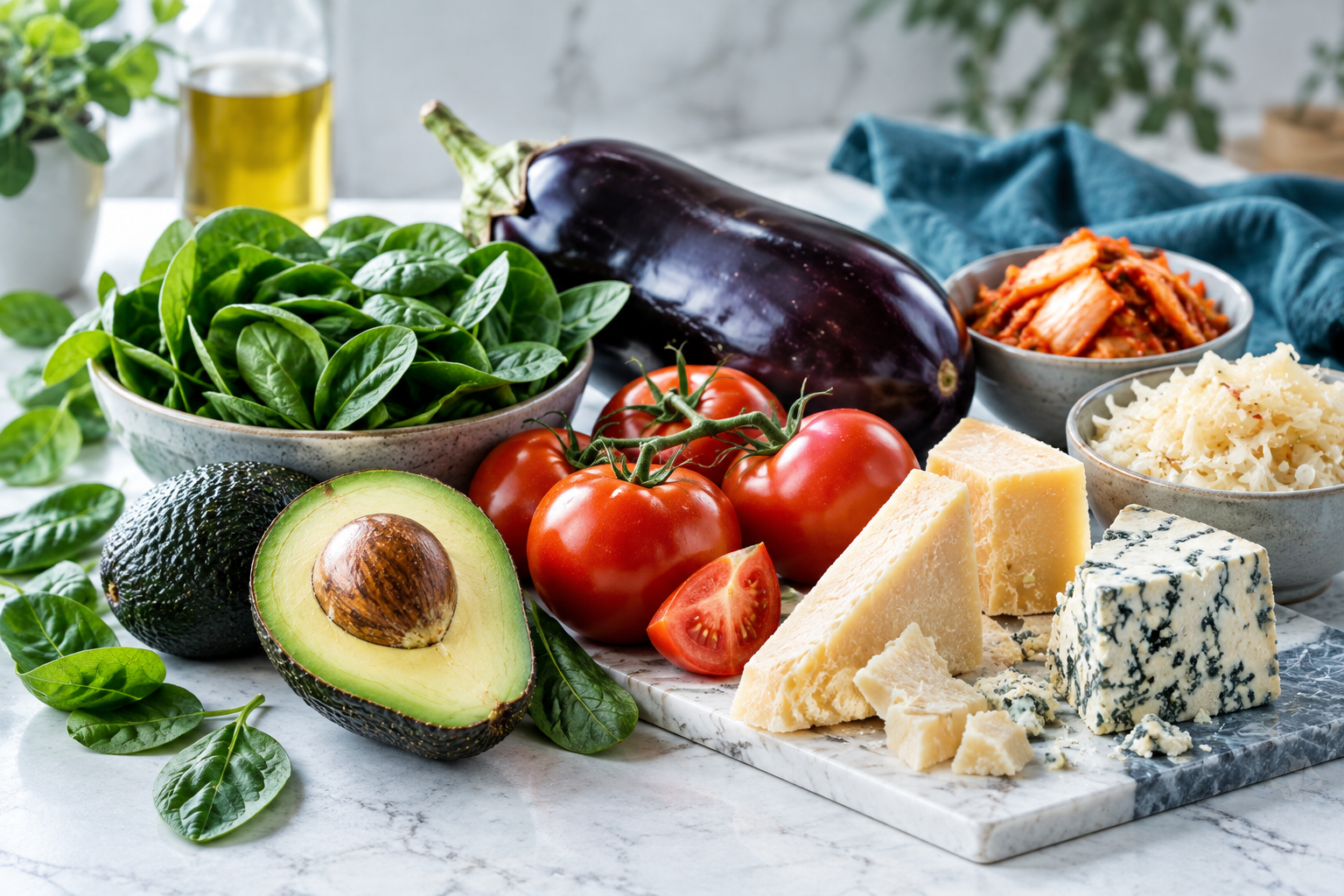
The five foods I consider classically high in histamine:
- Avocados
- Spinach
- Eggplant
- Aged cheeses (Roquefort, Parmesan, blue cheese)
- Tomatoes
Fermented foods — kimchi, sauerkraut, kombucha — also carry a high histamine burden and are frequently overlooked because they’re marketed as healthy.
What Is Mast Cell Activation Syndrome?
MCAS is a fundamentally different problem. The histamine isn’t coming from food you can’t break down — it’s coming from your own mast cells, which are releasing it inappropriately in response to environmental triggers.
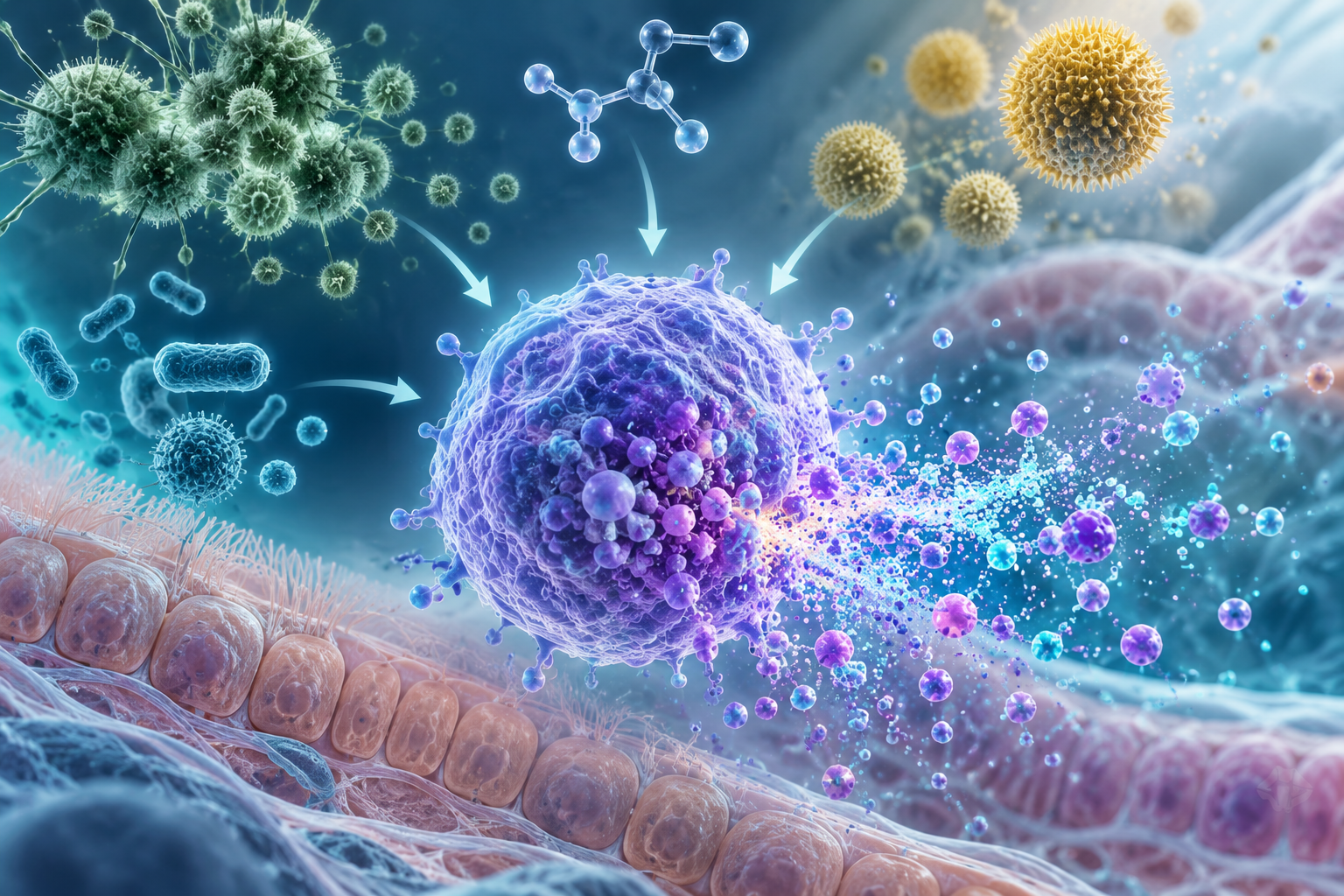
Mast cells are the immune system’s first responders. They live in your nasal tissue, lungs, gut, brain, heart, and reproductive organs. When they detect a threat — a mold toxin, a chemical, an allergen, an infection – they release a cascade of chemical mediators: histamine, tryptase, prostaglandins, and more. In MCAS, that alarm system is dysregulated. It fires too easily, too often, and in response to things it shouldn’t.
Most of the MCAS patients I see are not primarily triggered by food. Their mast cells are overactivated by environmental exposures — mold, toxins, infections. That’s a critical distinction.
How Do You Tell Them Apart Clinically?
This is very, very tricky. Why? The lab work isn’t always definitive for either condition.
For histamine intolerance:
- Blood histamine levels are transient — often normal by the time you test
- No reliable clinical test for DAO enzyme activity currently exists
- Genetic testing for the DAO mutation can be supportive if positive
- A clear dose-response relationship with high-histamine foods is a strong clinical clue
For MCAS:
- Most lab findings are normal in the majority of cases
- Elevated tryptase in the blood can signal mast cell activation
- Elevated prostaglandin D2 in the urine is another marker
- Blood histamine is occasionally elevated, which in my view points more toward MCAS than histamine intolerance
- Symptoms typically involve multiple organ systems — skin, GI, neurological, and cardiovascular together
If a patient tells me they’ve been on a strict histamine-free diet and still reacting, that history alone shifts my clinical suspicion toward MCAS. Their mast cells are likely being triggered by something other than food. These are clues I have learned to look for.
Can You Have Both at the Same Time?
Yes. If someone has active MCAS, their mast cells are releasing large quantities of histamine continuously. That histamine load can overwhelm the body’s ability to break it down — effectively creating what looks like histamine intolerance on top of the underlying MCAS. Treating the histamine intolerance in isolation won’t resolve it. You have to address the mast cell dysregulation first.
Treatment: Why the Approach Is Different
This is where the distinction is crucial.
Histamine intolerance treatment:
- Eliminate or reduce high-histamine foods (particularly the top five)
- Take DAO enzyme supplements to support histamine breakdown
- These supplements are not a license to eat freely — they help manage the load, not eliminate the sensitivity
MCAS treatment:
- Stabilize the mast cells so they stop releasing their mediators
- I use compounded ketotifen (a mast cell stabilizer), H1 blockers like cetirizine (Claritin), H2 blockers like famotidine, and sometimes supplements like luteolin
- Then identify and treat the underlying trigger — whether that’s mold, candida, an infection, or another environmental exposure
Treating histamine intolerance with mast cell stabilizers won’t work. Treating MCAS with DAO enzymes won’t work. That’s why the diagnostic distinction isn’t academic — it’s the entire treatment plan.
A Patient Case: Scombroid Poisoning
I often use scombroid poisoning to illustrate what extreme histamine exposure looks like, because it mirrors what histamine intolerance patients experience at a lesser degree.
When certain fish — particularly tuna, mackerel, or mahi-mahi — are stored improperly, the amino acid histidine in the fish’s muscle converts into histamine. A case documented in JAMA described a man in Japan who ate sushi and within an hour was vomiting, had diarrhea, developed hives, experienced a dangerous drop in blood pressure, and had to be intubated. The histamine measured in the vomitus was over 100 times normal levels.
He nearly died from histamine — not from a mast cell disorder, but from an overwhelming external histamine load.
That case is an extreme, but it demonstrates something important: histamine itself, in sufficient quantity, is dangerous. Whether it’s coming from food you can’t break down or mast cells that won’t stop firing, the consequence is real.
Frequently Asked Questions
If I react to high-histamine foods, does that mean I have MCAS?
Not necessarily. A clear dose-response relationship with specific high-histamine foods — and no other multi-system symptoms — points more toward histamine intolerance. MCAS tends to involve broader triggers: chemicals, perfumes, environments, stress, and multiple organ systems simultaneously.
Will a low-histamine diet treat MCAS?
It may reduce some symptom burden, but it will not treat MCAS. The root issue in MCAS is mast cell dysregulation, not dietary histamine load.
Is DAO enzyme testing available?
There is no widely available clinical test for DAO enzyme activity at this time. Genetic testing for DAO gene mutations exists but is not routinely ordered. The clinical history remains the most useful diagnostic tool.
How long should I try a low-histamine diet before assessing whether it’s helping?
I generally recommend eliminating the top five high-histamine foods for at least one month before evaluating results. If there’s no meaningful improvement, you may be dealing with MCAS rather than simple histamine intolerance.
CONNECT WITH US:
About Dr. Dean Mitchell, MD — Board-Certified Allergist & Immunologist
 Manhattan & Rockville Centre, Long Island · Telehealth nationwide · 30+ years in practice · Sackler School of Medicine · Robert Cooke Allergy Institute · Adjunct Clinical Professor, Touro College of Osteopathic Medicine · Fellow, AAAAI
He has spent years diagnosing and treating Mast Cell Activation Syndrome (MCAS) — including patients who went undiagnosed for years because MCAS overlaps with so many other conditions — and sees new MCAS cases in his practice every week.
You work directly with Dr. Mitchell. He takes every patient’s full medical history himself, in every consultation — there is no medical assistant or trainee taking your history and relaying it back, and no patient care team in between.
Specialties: Candida & microbiome · MCAS · Toxic mold illness / CIRS · Food allergies · Allergy drops (SLIT)
Featured in: New York Times · Daily Mail · SELF · Martha Stewart · HuffPost · Fox News · ABC · Intelligent Medicine Podcast · Natural Awakenings
Podcast: Host — The Smartest Doctor in the Room · 230+ episodes featuring Harvard, Stanford & NIH researchers · Spotify & Apple Podcasts
Books: Conquering Candida: The New 30-Day Protocol (2025) · The Allergy and Asthma Solution (2006)