
Why Your “Healthy” Diet Might Be Making Your Mast Cells Worse
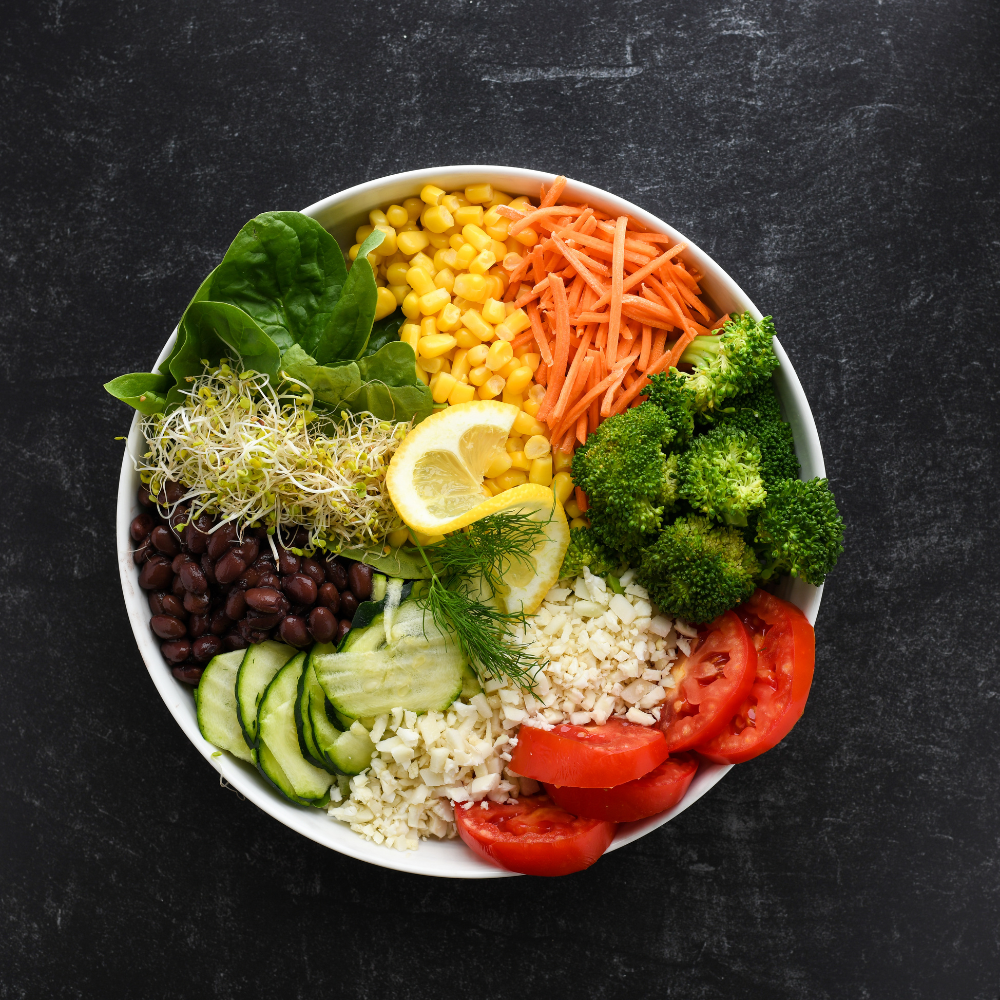
I’ve had patients come into my office who are eating what looks, on paper, like an exemplary diet — daily smoothies with avocado and spinach, kombucha with lunch, kimchi on the side for gut health. And they feel terrible.
Their symptoms — flushing, bloating, brain fog, skin rashes — can often be traced directly back to the foods they thought were healing them. If you have mast cell activation syndrome (MCAS) or an undiagnosed sensitivity to histamine, some of the most aggressively marketed “healthy” foods are biochemical landmines.
The High-Histamine Foods That Surprise People Most
Most people know that things like shellfish or red wine can cause reactions. What surprises my patients is how many foods considered nutritionally virtuous also happen to be extremely high in histamine.
The five foods I consider the highest-risk for histamine-sensitive patients:
- Avocados — widely promoted for healthy fats, frequently included in smoothies, and extremely high in histamine
- Spinach — a Popeye staple, loaded with nutrients, also loaded with histamine
- Eggplant — a vegetable rarely suspected, consistently problematic
- Aged cheeses — Roquefort, Parmesan, Gruyere; the longer the aging, the higher the histamine
- Tomatoes — including tomato-based sauces, juices, and soups
The pattern I see frequently: a patient who’s been eating a superfood smoothie every morning — avocado, spinach, maybe some berries — and wondering why they’re reacting. The cumulative histamine load from two or three of these foods together can easily overwhelm the body’s ability to break histamine down.
Histamine sensitivity isn’t like a peanut allergy. A small amount of one of these foods might not cause a problem. A large amount, or several high-histamine foods consumed together, can push the system past its threshold. That dose-response pattern is why these reactions are so hard to track — the culprit seems to change depending on how much you ate.
The Fermented Foods Problem
This is where I tend to part ways with some of the wellness community, and it’s worth explaining why.
Fermented foods — kimchi, sauerkraut, kombucha, kefir, yogurt — have been promoted aggressively over the last decade as gut-health essentials. There’s legitimate science behind fermentation and microbiome health. But that science does not apply equally to all populations.
Fermentation produces histamine. These foods are among the highest-histamine items a person can eat. For someone whose mast cells are already dysregulated, or who lacks the enzymatic capacity to degrade histamine efficiently, consuming fermented foods regularly is adding fuel to a fire.
I’ve watched wellness influencers — including people in high-profile government health positions — advocate eating sauerkraut with every meal. I understand the appeal. But in my clinical practice, I consistently see these foods triggering candida overgrowth and histamine reactions in patients who are already struggling with gut and immune dysregulation.
My clinical observation: fermented foods may benefit populations whose guts haven’t been exposed to decades of antibiotics, processed foods, and other microbiome-disrupting factors. In the Western clinical environment — where many of my patients have taken multiple antibiotic courses, used proton pump inhibitors, and consumed ultra-processed foods for years — their gut is not prepared to handle a high fermented-food intake. For mast cell patients specifically, I recommend avoiding them.
Why These Foods Are Problematic Specifically for MCAS Patients
To understand why, you need to understand what mast cells are doing.
Mast cells are immune sentinels. They live in your tissue — gut lining, nasal passages, lungs, skin, brain — not in your blood. When they sense a threat, they release a cascade of chemical mediators, including histamine. In MCAS, the mast cells are dysregulated: they’re firing too often, too easily, and in response to things they shouldn’t perceive as threats.
When you add a high dietary histamine load on top of already-overactivated mast cells, you’re compounding the problem. The mast cells are releasing histamine internally, and now you’re pouring histamine in from outside via food. The body’s enzyme systems — already potentially overwhelmed — can’t keep up.
How I Approach the Dietary Evaluation
When a patient comes in concerned about food reactions, I don’t immediately put them on the most restrictive possible diet. Overcorrection is its own problem. I’ve seen patients who’ve eliminated almost every food category based on online histamine lists, and that level of restriction creates nutritional deficiencies and significant quality-of-life impact without being necessary.
My standard approach:
– Eliminate the top five high-histamine foods for at least one month
– Assess whether symptoms meaningfully improve
– If no improvement after a month, the problem likely isn’t dietary histamine — and we need to look at whether the mast cells themselves are the primary driver
– If improvement occurs, foods can be cautiously reintroduced in small amounts, monitoring the cumulative load
I also use DAO enzyme supplements as an adjunct — not a replacement for dietary changes. These enzymes help the body break down histamine from food. They’re not a blank check to eat anything, but they can be useful for patients who want some dietary flexibility or who are encountering unavoidable histamine exposure.
What About Candida?
There’s an important overlap worth noting. Candida — a fungal overgrowth in the gut — can itself drive mast cell activation. And patients with candida often also struggle with histamine intolerance, partly because candida interferes with gut enzyme function.
Interestingly, fermented foods that are promoted for gut health may actually worsen candida in susceptible patients — yet another reason I’m cautious about universally recommending them.
If a patient is reacting to fermented foods specifically, that reaction is important clinical information, not just an inconvenience to push through.
Frequently Asked Questions
Q: If I react to avocado, does that mean I have MCAS?
Not necessarily. An isolated reaction to a single high-histamine food — especially if dose-dependent — is more consistent with histamine intolerance than MCAS. MCAS typically involves broader reactivity across multiple categories: chemicals, perfumes, environments, and foods simultaneously.
Q: Can I eat fermented foods if I just start slowly?
For patients with confirmed MCAS or active histamine sensitivity, I recommend avoiding fermented foods during the evaluation period. Whether you can eventually reintroduce them depends on whether the underlying mast cell dysregulation can be treated and stabilized first.
Q: Do I need to avoid all foods on a histamine intolerance list?
Most histamine food lists go further than necessary. Start with eliminating the five highest-histamine foods for one month. Extreme restriction across dozens of food categories is rarely necessary and can create its own health problems.
Q: What’s the role of DAO enzyme supplements?
DAO supplements help the body degrade histamine from food sources. They can reduce symptom burden but won’t resolve MCAS, and they won’t compensate for eating extremely high quantities of high-histamine foods in one sitting.